Strategic location
Dubai connects international markets and offers a wide range of residential and commercial districts.
Explore buying entire floors or multiple units in Dubai. Compare locations, acquisition costs and rental potential before you commit.
EXPLORE INVESTMENT OPPORTUNITIESPurchasing multiple units or an entire floor can offer a different way to build a Dubai property portfolio. Compare the location, building, unit mix and ownership structure alongside the complete purchase price. A sound assessment also accounts for service charges, maintenance, vacancy and the practical options for selling in the future.
Dubai connects international markets and offers a wide range of residential and commercial districts.
Compare whole floors and groups of units across locations, layouts and stages of completion.
Assess achievable rent against vacancy, fees and operating costs before estimating net yield.
Review title, permitted ownership, existing leases and service charges with qualified advisers.
Consider leasing, holding or selling units individually, subject to the property and market.
Different property types and purchase structures suit different objectives. Explore completed or off-plan units, entire floors and partnership arrangements, then compare their terms and risks. Availability, pricing and projected performance must be verified for each opportunity.

Assess the floor plan, ownership, unit mix and building costs together.

Compare groups of apartments by location, condition and rental demand.
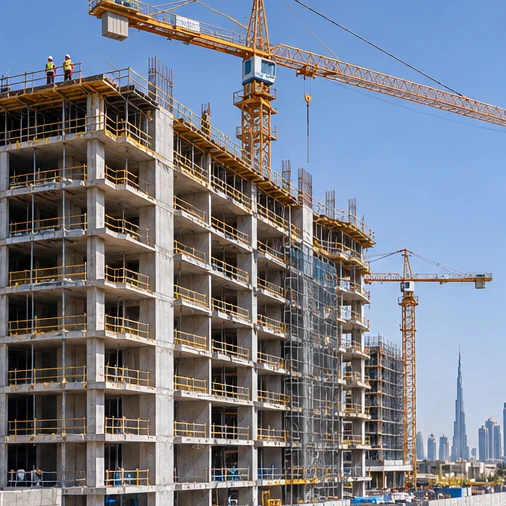
Review developer documents, construction milestones and payment terms.

Evaluate handover condition, title, existing leases and immediate operating costs.

Understand each party’s rights, obligations and exit terms before committing.
The potential return on an investment depends on the purchase terms, the costs of ownership, the rental market and the eventual sale. Use these six areas to structure your assessment, and seek independent legal, tax and financial advice before signing.
Compare locations, unit mixes, comparable transactions and the full acquisition cost.
Review title, legal documents, service charges and seller authority with independent advisers.
Consider condition, maintenance obligations, amenities and management arrangements.
Model rent, vacancies, financing and operating expenses using realistic assumptions.
Consider tenant demand, leasing arrangements and property management requirements.
Evaluate liquidity, likely selling costs and whether units can be sold separately.
From defining your objectives to planning a future sale, each step gives you a clearer basis for evaluating a bulk property purchase in Dubai. Review documents carefully and allow for changes in market conditions.
Set a budget, target location, time horizon and risk tolerance.
Compare suitable properties and their documented terms.
Check title, contracts, charges and condition with advisers.
Review financing, fees and the purchase agreement.
Prepare for handover, leasing, maintenance and costs.
Revisit market conditions and your options to hold or sell.
Have questions about buying a floor or multiple units? Prepare your goals, preferred locations and budget before discussing an opportunity.
GET FREE CONSULTATIONTell us your budget and preferred area so the team can discuss options that fit.
Include acquisition fees, financing, service charges, maintenance and potential vacancy in your calculations.
Review title, terms, existing leases and building information with qualified professionals before committing.
Test rental and resale assumptions against changing market conditions. Returns are not guaranteed.
It is the purchase of multiple units, potentially an entire floor, as part of one investment strategy.
Foreign ownership is permitted in designated areas. Confirm eligibility and title with the Dubai Land Department and your adviser.
Consider purchase price, registration, brokerage, financing, service charges, maintenance and any applicable taxes or fees.
Review location, unit mix, usable area, condition, service charges, tenancy and comparable transactions.
Review title, ownership, encumbrances, building condition, service charges, contracts and the seller’s authority.
A rental strategy depends on unit configuration, permitted use, demand, management costs and tenancy rules.
Gross yield compares rent with purchase price. Net yield also accounts for relevant operating and ownership costs.
No. Values, occupancy, rental income and costs can change, and an investment can lose value.
Consider liquidity, transaction costs, existing leases, market conditions and whether to sell units individually or together.
Define your budget, preferred property type, time horizon and risk tolerance, then seek independent legal and financial advice.